 listicle
EICR Certification Services: Find Providers
Table of Contents
- Professional EICR Certification Services Available
- Quick Comparison of EICR Providers
- EICR Inspection for Landlords: Legal Requirements
- Understanding EICR Cost and Pricing
- How Long Does an EICR Inspection Duration Take?
- EICR Remedial Work: What Happens After the Report
- How to Choose the Right EICR Provider
- Common Questions About EICR Certification
- Next Steps: Getting Your EICR Booked
- Frequently Asked Questions
Last Updated: October 17, 2026
Professional EICR Certification Services Available
An Electrical Installation Condition Report (EICR) is a detailed inspection of your property's electrical system that identifies safety risks and confirms compliance with current regulations. If you're a landlord, property investor, or homeowner in Ayrshire, getting a professional EICR certification is no longer optional, it's a legal requirement in most cases. We've compiled a guide to help you understand what's available, what to expect, and how to choose the right provider for your needs.
Test My Electrics specialises in comprehensive EICR certification services across Ayrshire and the West of Scotland. Our integrity-first approach means we inspect thoroughly and report honestly, without pressure to recommend unnecessary work. We're fully insured with £10 million coverage, UKAS accredited, and registered with SELECT and NAPIT. With a 4.9 rating from 321 customer reviews, we've built our reputation on transparent reporting and reliable service.
But finding the right EICR provider means understanding what the inspection involves, what it costs, how long it takes, and what happens if issues are found. Below, we break down everything you need to know.
Quick Comparison of EICR Providers
| Provider | Service Area | Best For | Contact Route |
|---|---|---|---|
| Test My Electrics | Ayrshire & West of Scotland | Landlords & homeowners seeking integrity-first approach | Website booking or phone |
| T Walsh Electrical Contracts | Ayrshire & Glasgow | Commercial properties requiring EICR | Dedicated commercial page |
| NHM Electrical Services | Ayrshire | Domestic properties needing residential EICR | Direct contact for quote |
| AFS Electrical | Ayrshire | Budget-conscious customers seeking NICEIC-approved contractor | Ayrshire-focused service |
| Energy Certificate Scotland | Ayrshire | Landlords needing combined energy & electrical certification | Specialises in landlord requirements |
EICR Inspection for Landlords: Legal Requirements
Landlords in the UK face a legal obligation to ensure rental properties meet electrical safety standards. Since 1 July 2020, the Electrical Safety Standards in the Private Rented Sector (England) Regulations 2020 require landlords to have an EICR carried out at least every five years, or more frequently if the previous report identified issues (Electrical safety standards in the private and social rented sectors: guidance). Similar requirements apply across Scotland, where electrical safety for rental properties is a fundamental legal duty.
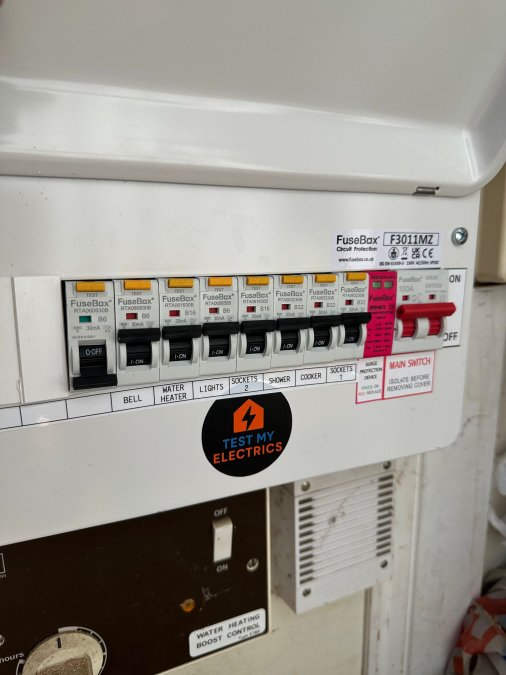
An EICR inspection for landlords involves a qualified electrician systematically testing the property's electrical installation. They'll examine the main consumer unit, circuits, wiring, sockets, switches, and fixed appliances. The inspection identifies any defects, damage, or deviation from current standards that could pose a risk to occupants. The report classifies findings as either Code 1 (danger present, urgent action needed), Code 2 (potentially dangerous, remedial work required), or Code 3 (improvement recommended).
Failure to provide a valid EICR when required can result in substantial fines and legal action. Local authorities have enforcement powers, and tenants or their representatives can report non-compliance. Beyond the legal risk, an EICR protects your insurance validity, many insurers now require evidence of a current EICR before they'll cover a rental property. For landlords managing multiple properties across Ayrshire, staying on top of inspection schedules is essential to avoid gaps in compliance.
Test My Electrics handles EICR certification for landlords across Ayrshire, providing clear, detailed reports that satisfy local authority requirements and insurance providers. We understand the volume challenges landlords face when managing several properties, and our team can coordinate inspections efficiently to minimise tenant disruption.
Understanding EICR Cost and Pricing
EICR cost varies based on several factors: property size, the age and complexity of the electrical system, the number of circuits, and whether remedial work is needed. A small flat might cost less to inspect than a large house or commercial premises. The cost also depends on your location within Ayrshire and the availability of qualified inspectors in your area.
Most EICR certification services in the region quote on a property-by-property basis rather than offering fixed prices. This reflects the reality that every property's electrical installation is unique. A straightforward inspection of a modern, well-maintained property typically costs less than one involving older wiring, multiple circuits, or systems that require extended testing time.
When requesting quotes, ask providers to clarify exactly what's included: the inspection itself, the written report, certification, and any follow-up advice. Some providers bundle remedial work quotes into the inspection cost; others keep them separate. Test My Electrics doesn't pressure customers into unnecessary remedial work; if your system is safe, we say so.
Budget for potential remedial costs separately. If the EICR identifies Code 1 or Code 2 issues, you'll need qualified electricians to address them before the property can be rented legally. Remedial work ranges from minor repairs (replacing a faulty socket) to major work (rewiring sections of the property), so costs can vary dramatically depending on what's found.
How Long Does an EICR Inspection Duration Take?
An EICR inspection typically ranges from 1 to 3 hours, depending on property size and system complexity. A small flat might take 60 to 90 minutes. A larger house with multiple circuits, outbuildings, or older wiring could take 2 to 3 hours or longer. Commercial properties often require extended inspection time due to more complex electrical systems and higher safety standards.
The inspection itself involves visual checks, testing circuits, measuring earth fault loop impedance, and documenting the condition of all electrical components. The electrician will need access to the consumer unit, all sockets, switches, and fixed appliances. They'll also need to safely isolate circuits during testing, so any disruption to occupants should be minimal and brief.
After the on-site inspection, the electrician typically spends additional time back at the office writing the detailed EICR report, classifying findings, and preparing the certification. Most providers deliver the final report within 5 to 10 working days, though some offer faster turnaround. If you're coordinating access for multiple properties, scheduling inspections back-to-back can save time, Test My Electrics can arrange this for landlords managing portfolios across Ayrshire.
EICR Remedial Work: What Happens After the Report
Once your EICR report is complete, you'll receive a detailed breakdown of any issues found. Code 1 defects (danger present) must be addressed immediately, the property cannot be legally rented until these are rectified. Code 2 issues (potentially dangerous) must be remedied before the property is let. Code 3 findings are recommendations for improvement but aren't legally mandatory.
Remedial work can range from simple fixes to major electrical work. Common Code 1 and Code 2 issues include outdated earthing systems, damaged wiring, missing RCD protection, overloaded circuits, or faulty sockets and switches. If the report identifies extensive problems, you may need a full or partial rewire, which is more involved and costly than minor repairs.
Most EICR certification providers can recommend qualified electricians to carry out remedial work, though they won't perform it themselves; this separation maintains the independence of the inspection. Test My Electrics can advise on remedial priorities and coordinate follow-up work if needed. Our integrity-first approach means we'll only recommend work that's genuinely necessary to meet safety standards, not upsell unnecessary upgrades.
After remedial work is completed, the electrician should provide a new EICR or a supplementary report confirming that defects have been rectified. This updated report is what you'll present to local authorities or insurance providers as proof of compliance.
How to Choose the Right EICR Provider
Choosing the right EICR provider means checking qualifications, understanding their approach, and confirming they're experienced with properties like yours. Look for electricians who are registered with NICEIC, NAPIT, or SELECT, these bodies verify that inspectors meet the required standards and hold current qualifications in electrical testing (C&G 2391-51 and 2391-52 certifications are the UK standard for EICR inspectors).
Ask whether the provider has experience with your property type. Landlords managing multiple properties benefit from providers who can handle volume efficiently. Homeowners might prioritise a local electrician who's familiar with older properties common in Ayrshire. Commercial property owners need inspectors trained in commercial electrical standards, which differ from domestic requirements.
Read customer reviews and ask for references from other landlords or property managers. A provider with a strong reputation for honest reporting, saying "no work needed" when that's the case, is worth more than one that always recommends expensive remedial work. Test My Electrics has built a 4.9 rating from 321 reviews by prioritising transparency and refusing to oversell services.
Confirm turnaround time for the final report. If you're managing a portfolio, you need reports quickly so you can plan remedial work and stay compliant with rental deadlines. Check whether the provider offers flexible scheduling for multiple properties and whether they can coordinate with your tenants to minimise disruption.
Finally, verify insurance coverage. Your EICR provider should carry professional indemnity insurance (we carry £10 million coverage) so that if an error is made during inspection, you're protected. This is particularly important for landlords; insurance providers often require evidence of the inspector's indemnity insurance before they'll validate your policy.
Common Questions About EICR Certification
How often do I need an EICR?
The legal requirement is an EICR at least every five years for rental properties. If the previous report identified defects, you may need a more frequent inspection or a follow-up report after remedial work. Homeowners aren't legally required to have an EICR, but many choose to do so for peace of mind, especially before buying a property or after major electrical work.
What if the EICR finds serious problems?
Serious issues (Code 1) must be fixed before the property can be rented. You'll need to arrange remedial work with a qualified electrician and obtain confirmation that defects have been resolved. The timeline depends on the severity and complexity of the work, but landlords typically prioritise this to avoid legal penalties and maintain insurance validity.
Can I use the same EICR for insurance and local authority compliance?
Yes. A single EICR report satisfies both requirements, it's a formal certification of electrical safety that both insurers and local authorities recognise. Make sure the provider issues the report on official certification paper with all required details and the inspector's credentials clearly stated.
What's the difference between an EICR and an electrical installation certificate?
An EICR inspects an existing electrical system and reports on its current condition. An installation certificate is issued when new electrical work is completed, confirming that the work meets safety standards. You'll need an installation certificate if you've had rewiring, a new consumer unit, or other electrical upgrades.
Do I need to be present during the inspection?
For rental properties, you typically don't need to be present, the inspector just needs access. For your own home, being present allows you to ask questions and understand any issues found. Arrange access with your tenants in advance to minimise disruption.
Next Steps: Getting Your EICR Booked
Booking an EICR is straightforward. Contact your chosen provider, describe your property (size, age, type), and request a quote. Most providers can schedule an inspection within 2 to 4 weeks. If you're a landlord with multiple properties, mention this upfront, many providers offer coordinated scheduling that saves time and cost.
Prepare for the inspection by ensuring the electrician has safe access to the consumer unit, all circuits, and fixed appliances. If you're renting the property, give tenants advance notice and confirm a convenient time. Have any previous electrical work documentation available, this helps the inspector understand the system's history.
Test My Electrics makes booking simple. Get in touch via our website or phone to arrange your EICR certification. We'll schedule a convenient time and deliver a detailed report within 10 working days. Our team handles everything from inspection to reporting, and if remedial work is needed, we can advise on next steps without pressure to overspend.
Frequently Asked Questions
What does an EICR inspection include?
An EICR inspection examines your entire electrical installation for safety and compliance. The electrician tests fixed wiring, checks earthing and bonding, inspects circuit breakers and fuses, and identifies any damage, wear, or non-compliant components. They produce a detailed report classifying findings as satisfactory, unsatisfactory, or requiring urgent attention. The inspection typically covers consumer units, socket outlets, light fittings, and permanent appliances connected to the fixed installation.
How often should a rented property have an EICR?
Landlords must arrange an EICR at least every five years under current regulations. If the report identifies any issues requiring remedial work, you must complete those repairs and arrange a follow-up inspection. Some properties may need more frequent inspections if previous reports highlighted concerns or if the property has older electrical systems. Always check the specific recommendations on your inspection report.
How much does an EICR cost?
EICR pricing depends on property size, the complexity of your electrical system, and the provider's location and expertise. Costs vary significantly between regions and providers, so obtaining quotes from multiple certified electricians is essential. When requesting quotes, provide details about your property's size and age to receive accurate pricing. Providers typically offer transparent pricing once they understand your property's requirements.
Can an electrician carry out remedial work after an EICR?
Yes, many EICR providers offer remedial work services to address issues identified in the inspection report. This includes rewiring, replacing faulty components, upgrading outdated systems, and correcting safety issues. You're free to obtain separate quotes for repairs. Ensure any electrician carrying out remedial work holds appropriate qualifications and insurance.
Electrical safety isn't something to put off. An EICR gives you legal protection, maintains your insurance validity, and ensures your property is safe for occupants. Test My Electrics provides professional EICR certification across Ayrshire with a transparent, integrity-first approach. We're fully insured, UKAS accredited, and registered with SELECT and NAPIT. Book an electrician today and get peace of mind with a comprehensive, honest electrical safety report.