 how-to
How Long Does an EICR Inspection Take?
Table of Contents
- How Long Does an EICR Inspection Take?
- EICR Inspection Time by Property Size
- Factors Affecting EICR Inspection Duration
- How to Prepare for an EICR Inspection
- Time to Receive an EICR Report
- What Happens If Faults Are Found
- Conclusion
- Frequently Asked Questions
Last Updated: October 13, 2026
How Long Does an EICR Inspection Take?
An EICR inspection takes between 1 and 4 hours on average, depending on property size and electrical system complexity. For most residential properties, you're looking at 2 to 3 hours. This is the time the electrician spends on site testing circuits, checking connections, and documenting the condition of your electrical installation.
The duration matters because it affects your schedule, tenant access, and when you'll get your report. Understanding what influences inspection time helps you plan better and know what to expect when the electrician arrives.
At Test My Electrics, we've helped hundreds of landlords and homeowners across Ayrshire and the West of Scotland prepare for their inspections. We know the common questions: Will it take all day? Can my tenants stay in the property? How soon will I get the results? This guide answers those questions and walks you through what actually happens during an EICR inspection.
EICR Inspection Time by Property Size
Small residential properties
Small properties typically take 1 to 2 hours for a complete EICR inspection. This includes flats with one or two bedrooms, bedsits, and compact bungalows with straightforward electrical layouts.
A small property usually has:
- One distribution board
- Fewer than 10 circuits
- Limited electrical outlets and switches
- Simpler wiring routes
The electrician can test all circuits quickly and complete the visual inspection without significant delays. Access is usually straightforward, and there are fewer potential issues to investigate.
However, even small properties can take longer if the electrical system is older or shows signs of wear. An outdated consumer unit or corroded connections require more careful examination.
Medium to large houses
Medium and large houses typically require 2 to 3 hours for an EICR inspection. These properties usually have:
- One or two distribution boards
- 10 to 20 circuits
- Multiple rooms and outbuildings
- More complex wiring layouts
The electrician needs time to trace circuits through the property, test each one individually, and check connections in different locations. Kitchens and bathrooms require extra attention because they have specific safety requirements.
Larger properties with extensions or multiple storeys add testing time. The electrician must access different areas to verify that all circuits are properly installed and functioning safely.
Flats and apartments
Flats and apartments typically take 1 to 2 hours, similar to small residential properties. Most flats have a single distribution board and straightforward electrical layouts.
The main variable is access. If the distribution board is in a communal area or requires permission from a managing agent, coordination takes extra time. Some buildings require notice before any electrical work, which affects scheduling more than the actual inspection.
Commercial properties
Commercial properties take significantly longer, typically 3 to 4 hours or more. Commercial electrical systems are more complex:
- Multiple distribution boards
- Specialist circuits for equipment
- Emergency lighting and fire safety systems
- Backup power systems
Commercial inspections require the electrician to test more circuits, verify compliance with commercial standards, and document systems that residential properties don't have. If your commercial property has high-power equipment or three-phase supply, allow extra time.
Factors Affecting EICR Inspection Duration
Age and condition of the electrical system
Older electrical systems take longer to inspect. An electrician must examine ageing wiring, outdated consumer units, and potentially corroded connections more carefully. They need to verify that everything still meets current safety standards.
A property installed in the 1970s or 1980s with its original wiring and components will take longer than a modern property with recent upgrades. The electrician must spend extra time checking for hidden issues and documenting any areas of concern.
Newer installations with well-maintained systems move faster. Modern consumer units are easier to test, and recent wiring is usually in good condition.
Accessibility of components
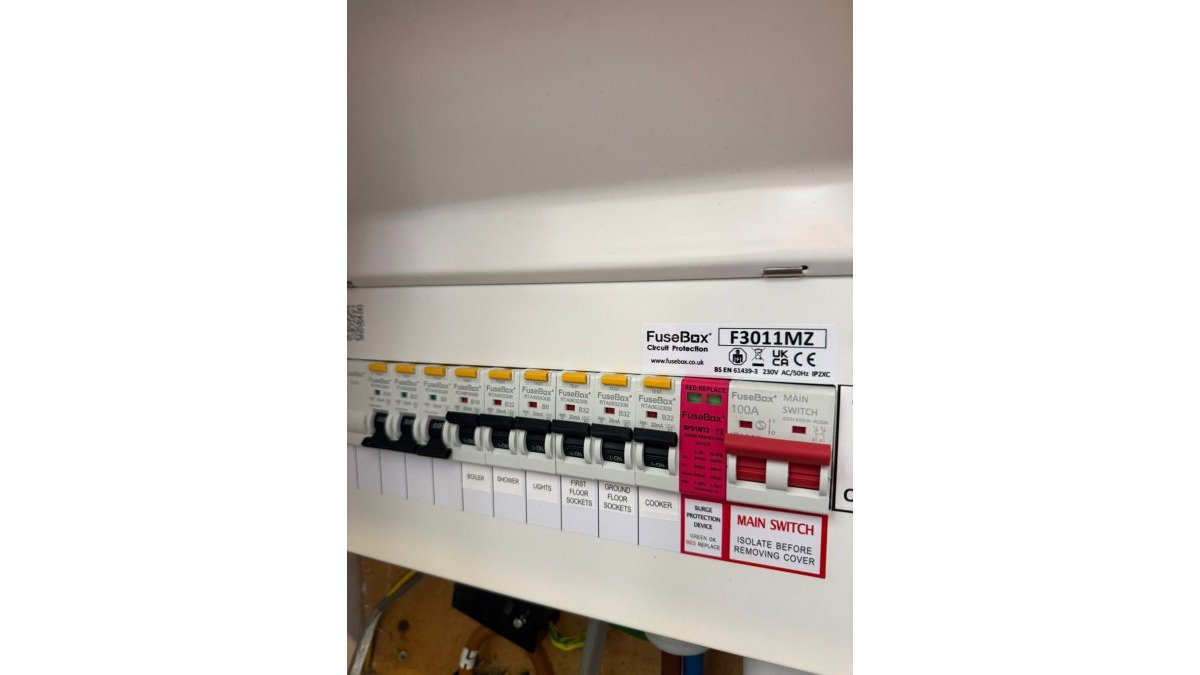
If your distribution board is easy to reach and clearly labelled, the inspection progresses faster. If it's hidden in a cupboard, behind furniture, or in an awkward location, the electrician spends extra time accessing it.
Electrical components throughout the property also affect duration. Outlets, switches, and connection points that are easily accessible can be tested quickly. Components buried behind fitted kitchens or in inaccessible walls require more time.
Some older properties have components in multiple locations, which adds travel time within the property.
Number of circuits and distribution boards
More circuits mean a longer inspection. A property with 8 circuits takes less time than one with 20 circuits. Each circuit must be tested individually, and every connection point must be checked.
Properties with multiple distribution boards take significantly longer. The electrician must test circuits from each board, and verify that the boards themselves are properly installed and safe.
Presence of faults or defects
If the electrician discovers faults during the inspection, the process takes longer. They must investigate the issue, document it thoroughly, and potentially run additional tests to determine the severity.
Common faults that extend inspection time include:
- Loose connections
- Damaged wiring
- Tripped circuits
- Earth faults
- Overloaded circuits
A property with no obvious faults moves through the inspection quickly. A property with multiple issues requires more investigation and careful documentation.
How to Prepare for an EICR Inspection
Clear access to electrical components
Make sure the electrician can easily reach your distribution board and all electrical outlets and switches. Move furniture, boxes, or storage items that might block access.
If your distribution board is in a cupboard, clear the area in front of it. Remove any items stored inside or on top of the cupboard. The electrician needs space to open the board safely and work around it.
Check that all light switches and outlets are accessible. Some properties have outlets hidden behind furniture or covered by fitted wardrobes. Let the electrician know about any components that are difficult to reach, they may need extra time or special equipment.
Locate your distribution board and consumer unit
Find your distribution board before the inspection day. It's usually in a hallway, kitchen, garage, or utility room. In flats, it might be in a communal area or mounted on an external wall.
Once you've found it, make sure you can describe its location to the electrician. Note any obstacles or unusual features, for example, if it's behind a locked door or in a damp area.
Understanding your property's layout helps the electrician work more efficiently. If you can describe the main circuits (kitchen, bedrooms, bathrooms, living areas), the inspection moves faster.
Gather property documentation
Collect any electrical documentation you have:
- Previous EICR reports
- Installation certificates for recent work
- Records of repairs or upgrades
- Building regulations certificates
This information helps the electrician understand the history of your electrical system. If previous inspections noted issues, the electrician can check whether they've been resolved.
Plan access and coordinate with tenants
If your property is let to tenants, arrange access in advance. Give tenants at least 24 hours' notice and confirm the date and time.
Tenants must be present during the inspection so the electrician can access all areas of the property, including bedrooms and bathrooms. Let tenants know that the inspection takes 1 to 3 hours and they should remain in the property.
For properties with multiple tenants or communal areas, coordinate with all parties before booking. This prevents delays on inspection day.
Time to Receive an EICR Report
After the inspection, the electrician typically produces your report within 5 to 10 working days. The timeline depends on:
- Complexity of the property
- Number of faults discovered
- Electrician's workload
- Your preferred format (digital or printed)
A straightforward inspection with no major issues produces a report quickly. An inspection that reveals multiple faults requires more time for the electrician to document everything clearly and prepare recommendations.
Most electricians offer digital reports within a few days. Printed reports take slightly longer if they need to be posted to you.
What Happens If Faults Are Found
If the electrician discovers faults during the EICR inspection, they'll document them in your report with a classification code:
Code C1, Danger present. The fault poses an immediate risk of electric shock or fire. You must stop using the affected circuit and arrange repairs urgently.
Code C2, Potentially dangerous. The fault doesn't pose an immediate risk but could become dangerous if not repaired. Arrange repairs as soon as possible.
Code C3, Improvement recommended. The installation doesn't meet current standards but isn't dangerous. Consider repairs during your next maintenance cycle.
Code FI, Further investigation needed. The electrician needs more information or specialist equipment to fully assess the fault.
If your report includes C1 faults, you must arrange repairs before the property can be certified as safe. C2 faults should be repaired within a reasonable timeframe, typically within 28 days for rental properties (Electrical safety standards in the private and social rented sectors: guidance).
The electrician can recommend contractors to carry out repairs, but you're not obligated to use them. Property owners often get quotes from multiple electricians before proceeding.
Conclusion
An EICR inspection typically takes 1 to 4 hours depending on property size, system complexity, and the condition of your electrical installation. Small properties and flats usually take 1 to 2 hours, while larger houses and commercial properties take 2 to 4 hours or longer.
Preparing your property by clearing access to electrical components and locating your distribution board helps the process move smoothly. After the inspection, expect your report within 5 to 10 working days.
Frequently Asked Questions
How long does an EICR inspections for a house?
A typical EICR inspection for a house takes 1 to 3 hours, depending on size and condition. Smaller properties may take around 1-1.5 hours, whilst larger houses with more circuits and complex wiring can take 2-3 hours. The electrician will test all circuits, check the distribution board, and inspect visible wiring and accessories throughout the property.
What factors affect how long an EICR inspectionss?
Several factors influence EICR inspection duration: property size, age of the electrical installation, condition of existing wiring, number of circuits, accessibility of components, and whether faults are discovered. Older properties with outdated systems or poor accessibility typically take longer. If the electrician finds defects requiring further investigation, the inspection may extend beyond the standard timeframe.
How long does it take to receive an EICR report after inspection?
Most electricians provide an EICR report within 5-10 working days after the inspection. The report documents all findings, including any faults or defects identified, and assigns them a classification based on severity. Some providers offer faster turnaround for additional cost. The exact timeframe depends on the complexity of findings and the electrician's workload.
What should I do to prepare for an EICR inspection?
Clear access to your distribution board, consumer unit, and all electrical outlets and switches. Ensure the electrician can reach lofts, under-stairs cupboards, and other areas where wiring may be routed. Have any previous electrical reports or documentation available. If you have tenants, coordinate access in advance. Switch off any appliances that might interfere with testing and ensure someone is present to unlock doors and provide access throughout the property.
If you're due for an EICR inspection or have discovered faults during a recent inspection, Test My Electrics can help. We provide comprehensive Electrical Installation Condition Reports with clear, honest recommendations about what needs attention and what can wait. Our team is fully insured, UKAS accredited, and committed to keeping your property safe and compliant. Book an electrician today and get peace of mind knowing your electrical system is in safe hands.