 Ultimate guide
Electrical Safety Compliance Consulting: A 2026 Guide
Last Updated: October 22, 2026
Quick Summary
Electrical safety compliance consulting services are professional advisory and inspection services designed to ensure that electrical installations within properties meet current safety standards and legal requirements. These services combine technical assessment, detailed reporting, and remedial recommendations to protect occupants and maintain regulatory compliance.
- Landlords must have electrical installations inspected at least every five years under UK legal requirements.
- An EICR inspection typically takes two to four hours for residential properties and includes visual inspection, circuit testing, and detailed reporting.
- Dangerous electrical faults must be remedied before a property can legally be let to tenants; potentially dangerous faults must be addressed within 28 days.
- Common findings include outdated wiring, inadequate earthing and bonding, overloaded circuits, and lack of protective devices like RCDs.
- Qualified consultants must hold 18th Edition qualifications and specific inspection and testing certifications such as C&G 2391-51 and C&G 2391-52.
Table of Contents
- What Electrical Safety Compliance Consulting Services Involve
- Why Electrical Safety Compliance Matters for Your Property
- EICR for Landlords: Legal Requirements and Responsibilities
- Commercial Electrical Inspection Requirements
- The EICR Process: What to Expect During an Inspection
- Understanding EICR Cost and Pricing Factors
- Electrical Remedial Work: What It Means and Why It's Necessary
- How to Select an Electrical Safety Compliance Consultant
- Common Issues Found During Electrical Safety Inspections
- How Often You Need Electrical Safety Compliance Checks
- Frequently Asked Questions
What Electrical Safety Compliance Consulting Services Involve
Electrical safety compliance consulting services are professional advisory and inspection services designed to ensure that electrical installations within properties meet current safety standards and legal requirements. These services combine technical assessment, detailed reporting, and remedial recommendations to protect occupants and maintain regulatory compliance.
At Test My Electrics, we understand that electrical safety isn't simply about keeping the lights on, it's about protecting the people who live and work in your property. Our approach to electrical safety compliance centres on thorough inspection, honest assessment, and clear communication about what we find.
The core of electrical safety compliance consulting involves several interconnected activities. A qualified consultant will inspect your entire electrical installation, test circuits and components for safety risks, identify faults or deterioration, and produce a comprehensive report documenting the condition of your system.
What sets professional electrical safety compliance consulting services apart is the integrity behind the assessment. A consultant should never recommend work you don't need simply to inflate costs. The goal is to identify genuine hazards, explain them clearly, and help you make informed decisions about remediation. This is particularly important for landlords managing multiple properties or commercial operators where compliance carries legal weight.
Why Electrical Safety Compliance Matters for Your Property
Electrical systems deteriorate over time. Wiring insulation degrades, connections loosen, and components wear out. Without regular assessment, faults develop silently until they create genuine hazards: fire risk, electrocution risk, or equipment damage. This is why electrical safety compliance has moved from optional to essential.
For residential properties, the risks are personal. Faulty wiring can cause fires that spread rapidly through a building. Damaged circuits can deliver shocks to occupants, particularly children or elderly residents. Overloaded systems can fail catastrophically. Beyond the physical danger, electrical faults can damage expensive appliances and equipment, creating secondary costs.
For landlords, the stakes are higher still. You have a legal duty to ensure your rental properties are safe for tenants. Failure to maintain electrical safety can result in prosecution, substantial fines, and liability if anyone is injured. Insurance may be invalidated if you cannot demonstrate that electrical systems have been properly inspected and maintained. For commercial properties, the same legal obligations apply, with additional regulatory oversight depending on the type of business.
The financial argument is straightforward: a professional electrical safety inspection costs significantly less than the consequences of ignoring electrical faults. Fire damage, injury claims, regulatory fines, and insurance disputes all dwarf the cost of preventative assessment and remedial work.
EICR for Landlords: Legal Requirements and Responsibilities
EICR for landlords is a legal requirement in the UK. An Electrical Installation Condition Report is a detailed inspection and assessment of a property's electrical installation, carried out by a qualified electrician.
The legal requirement stems from regulations that require landlords to have electrical installations inspected and tested by a competent person at least every five years, or more frequently if the property's condition or usage warrants it (Electrical safety standards in the private and social rented sectors: guidance).
An EICR inspection must be carried out by someone qualified to do so, typically a registered electrician holding appropriate certifications such as 18th Edition qualification and relevant inspection and testing credentials. If the inspection reveals dangerous defects, you are legally obligated to arrange remedial work promptly.
For landlords managing multiple properties, the administrative burden can feel significant. You need to track inspection dates, manage access with tenants, coordinate remedial work, and maintain records for enforcement bodies.
The responsibility doesn't end with the inspection. If remedial work is identified as necessary, you must arrange for it to be completed by a qualified electrician and obtain a completion certificate.
Commercial Electrical Inspection Requirements
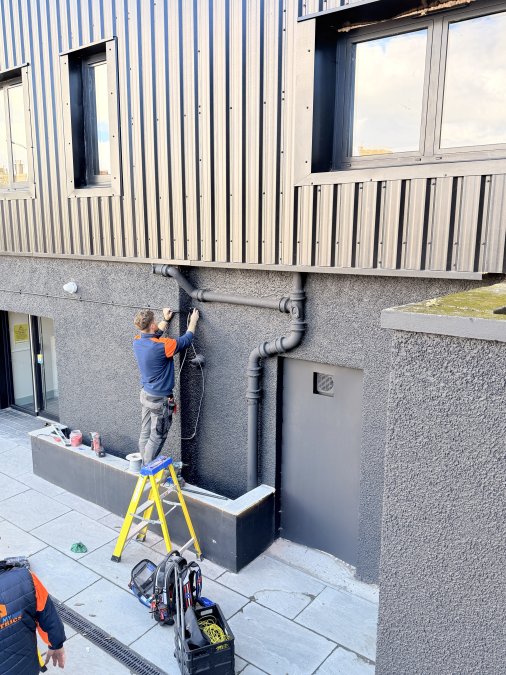
Commercial electrical inspection requirements are more stringent than residential standards in many respects. Commercial properties, offices, shops, warehouses, factories, and other business premises, must comply with the Electricity at Work Regulations 1989 and relevant British Standards. The frequency of inspection depends on the type of property and its usage patterns.
For most commercial premises, a formal electrical installation condition report is required periodically, depending on the property type and risk assessment. High-risk environments, those with frequent equipment changes, heavy electrical loads, or hazardous conditions, may require more frequent inspection. Properties with emergency lighting, fire alarm systems, or other critical electrical infrastructure have additional inspection requirements.
The scope of a commercial electrical safety compliance inspection is broader than residential work. It includes assessment of the main switchboard, distribution circuits, emergency lighting systems, fire alarm circuits, data and communications cabling, earthing and bonding systems, and any specialised equipment. For properties with significant electrical loads or complex installations, the inspection may take several days.
Commercial properties also face higher liability exposure. If an electrical fault causes injury to an employee, customer, or visitor, the business owner can face prosecution under health and safety legislation, substantial compensation claims, and reputational damage. Insurance policies often require evidence of regular electrical inspection and maintenance.
The EICR Process: What to Expect During an Inspection
An EICR inspection follows a structured process designed to assess the entire electrical installation systematically. Understanding what happens during the inspection helps you prepare and understand the findings.
The process typically begins with a visual inspection of the installation. The electrician examines the condition of wiring, cables, switches, sockets, and other visible components, looking for signs of damage, deterioration, or poor installation.
Next comes the testing phase. Using specialised equipment, the electrician tests circuits for continuity, insulation resistance, and earth fault loop impedance. These tests reveal whether circuits are properly connected, whether insulation is intact, and whether the protective earthing system is functioning correctly.
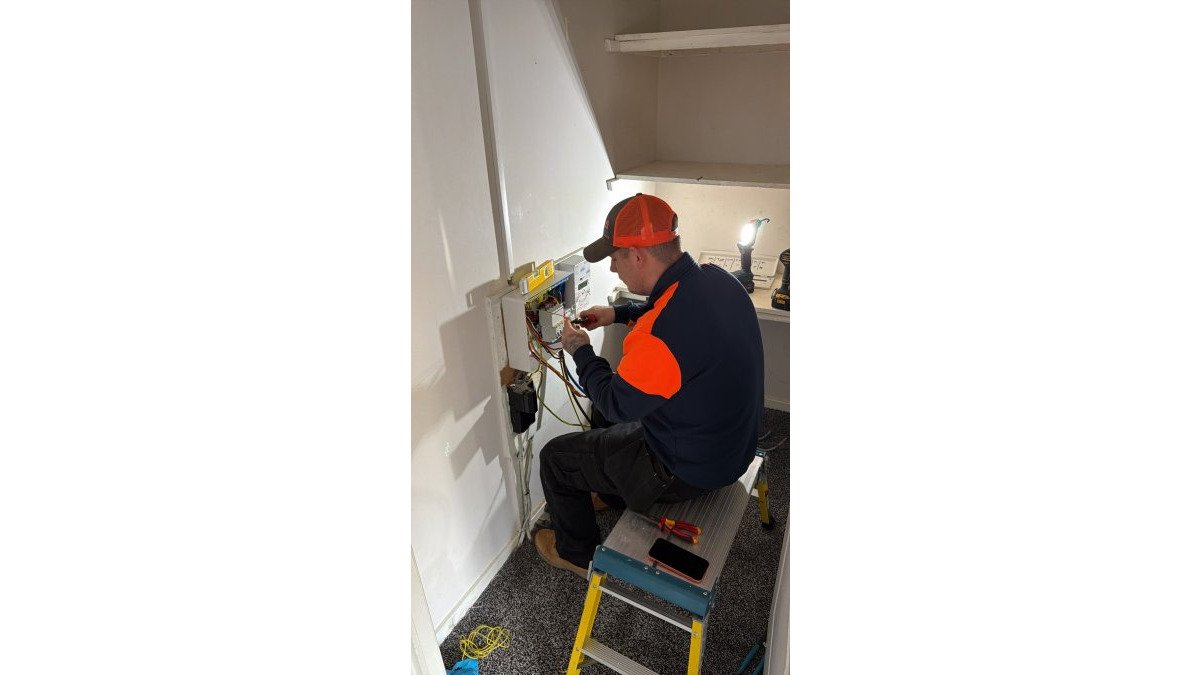
The electrician will also inspect the consumer unit (fuse board or circuit breaker panel), checking that circuits are correctly labelled, that protective devices are appropriate for the circuits they protect, and that the overall installation is safe and compliant.
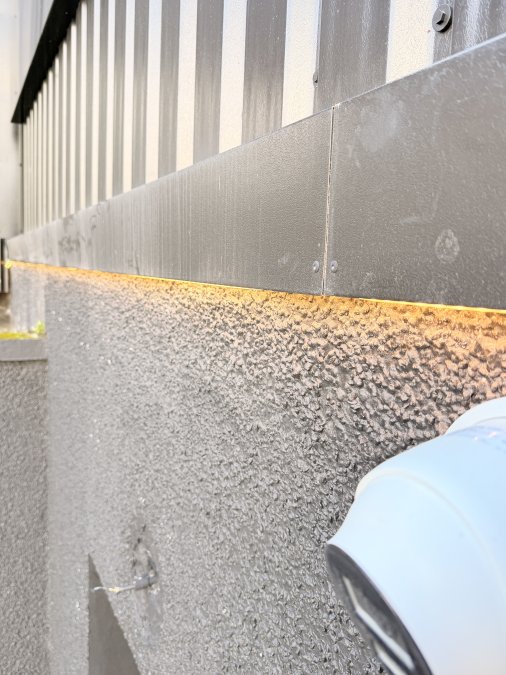
The inspection process typically takes two to four hours for a residential property, depending on size and complexity. For commercial properties, it may take considerably longer. During the inspection, the electrician may need to isolate circuits temporarily to carry out testing safely. This may cause brief interruptions to power supply, which is why advance notice to tenants or occupants is important.
Once testing is complete, the electrician compiles the EICR report. This document details the condition of the installation, identifies any faults or hazards, and categorises findings according to severity.
Understanding EICR Cost and Pricing Factors
The cost of an EICR assessment varies based on several factors, and understanding these helps you budget appropriately and evaluate quotes fairly.
Property size is the primary driver of cost. A small one-bedroom flat requires less inspection time than a three-bedroom house or a commercial property.
Property age and condition also affect pricing. Older properties with outdated installations or visible deterioration may require more detailed investigation. If the electrician discovers areas of concern during the initial inspection, additional testing may be necessary, which increases the overall cost.
The location and accessibility of the property matter too. A property in a remote area may incur travel costs. A property with difficult access, such as one requiring specialist equipment to reach roof spaces or external circuits, may cost more.
For landlords managing multiple properties, many consultants offer package pricing. Inspecting five properties in a single area may cost less per property than inspecting them individually. Test My Electrics works with landlords managing substantial portfolios to provide efficient, coordinated inspection schedules that reduce overall costs while maintaining thorough assessment.
Rather than quoting a specific price range (which varies significantly based on local factors and property characteristics), we recommend contacting Test My Electrics directly for a tailored quote.
| Factor | Impact on Cost |
|---|---|
| Property size | Larger properties take longer to inspect |
| Property age | Older installations may require more detailed assessment |
| Installation complexity | Complex systems with multiple circuits cost more |
| Property condition | Well-maintained properties cost less than neglected ones |
| Location | Remote areas may incur travel charges |
| Portfolio size | Multiple properties may qualify for package pricing |
Electrical Remedial Work: What It Means and Why It's Necessary
Electrical remedial work refers to repairs, upgrades, or modifications carried out to address faults, hazards, or non-compliance identified during an electrical inspection. Understanding what remedial work means and why it's necessary helps you make informed decisions about your property's electrical safety.
Remedial work falls into several categories. Minor remedial work might include replacing damaged sockets, repairing loose connections, or upgrading protective devices. Intermediate work might involve installing additional circuits, upgrading earthing systems, or replacing damaged cabling in accessible areas.
The necessity of remedial work depends on the severity of faults identified. A dangerous fault, one that poses immediate risk of fire or electrocution, requires urgent remedial work. Potentially dangerous faults require prompt attention, typically within a specified timeframe.
For landlords, the legal position is clear: dangerous faults must be remedied before the property can legally be let to tenants. Potentially dangerous faults must be remedied within a defined timeframe (typically 28 days).
The cost of remedial work varies enormously depending on what's required. A single socket replacement costs far less than rewiring an entire property. This is why prioritisation matters.
Many property owners worry that consultants will recommend unnecessary remedial work to inflate costs. This is a legitimate concern, which is why choosing a consultant with integrity is crucial.
How to Select an Electrical Safety Compliance Consultant
Selecting the right consultant is crucial because your choice affects both the quality of assessment you receive and your confidence in the findings. Several factors should guide your decision.
Qualifications and Certifications to Look For
The consultant carrying out your electrical inspection must hold appropriate qualifications. In the UK, this means holding an 18th Edition qualification, which is the current standard for electrical installation work. The consultant should also hold specific qualifications for inspection and testing, typically including C&G 2391-51 (Initial Verification) and C&G 2391-52 (Periodic Inspection and Testing).
Beyond these core qualifications, look for additional certifications that demonstrate expertise. Registration with industry bodies such as NAPIT or SELECT demonstrates that the consultant operates to professional standards and is subject to ongoing quality assurance (Join Us).
For commercial properties or specialist applications, additional qualifications may be relevant. A consultant working on properties with emergency lighting systems, fire alarm integration, or data centre electrical infrastructure should hold relevant specialist certifications.
Verify qualifications directly. Ask to see evidence of current certification. Reputable consultants will provide this willingly, it's a source of professional pride. Be cautious of consultants who are vague about their qualifications or reluctant to provide evidence.
Experience with Your Property Type
Experience matters significantly. A consultant experienced with residential rental properties understands the specific requirements of the private rented sector and can navigate landlord responsibilities efficiently. A consultant experienced with commercial properties understands the additional complexity and regulatory requirements those properties entail.
For landlords managing multiple properties, experience managing large portfolios is valuable. The consultant should understand how to coordinate inspections across multiple properties, manage access with different tenants, and maintain the documentation you need for compliance. Test My Electrics works with landlords managing substantial portfolios to provide efficient, coordinated service.
Ask potential consultants about their experience. How many properties have they inspected? How many landlords do they work with? Can they provide references from other landlords? A consultant with substantial experience will have case studies or testimonials demonstrating their track record.
Integrity and Transparent Reporting
This is perhaps the most important criterion. You need a consultant who will give you honest assessment, not inflated recommendations designed to increase remedial work costs. How do you assess integrity?
First, consider how the consultant presents themselves. Do they emphasise finding problems, or do they emphasise understanding your property's true condition? A consultant focused on finding problems may be incentivised to over-recommend work.
Second, ask how they handle situations where remedial work isn't necessary. A consultant with integrity will tell you if your property's electrical installation is in good condition. They won't invent problems to justify charging for remedial work.
Third, look at their reporting. A good report clearly explains what was found, why it matters, and what action is needed. It distinguishes between different severity levels.
Finally, consider their willingness to discuss findings. A consultant should be able to explain their assessment in plain language, answer your questions, and help you understand your options. If a consultant is dismissive of questions or unwilling to explain their reasoning, that's a warning sign.
Test My Electrics operates on an integrity-first basis. We won't recommend work you don't need. We'll explain clearly what we've found and why it matters. We'll help you understand your options and make informed decisions about remediation.
Common Issues Found During Electrical Safety Inspections
Understanding common electrical faults helps you recognise why certain remedial work is necessary and what to expect from your inspection report.
Outdated wiring is one of the most common findings, particularly in older properties. Wiring insulation deteriorates over decades. Older properties may have cloth-covered or paper-insulated cables that have become brittle and unsafe.
Inadequate earthing and bonding is another frequent issue. Older properties may lack proper earth connections, or bonding may be incomplete. Modern standards require strong earthing systems to protect against electrocution.
Overloaded circuits are common in properties where electrical demand has increased over time.
Damaged or deteriorated components, switches, sockets, cable entries, and other visible elements, are frequently found. These may result from age, impact damage, or poor maintenance.
Lack of protective devices is sometimes found in older properties. Circuits may lack RCDs (residual current devices) that provide protection against electric shock.
Poor installation practices, circuits routed through areas where they can be damaged, sockets installed in inappropriate locations, or connections that don't meet standards, are occasionally found.
Understanding these common issues helps you appreciate why your inspection report recommends certain work. It's not about creating unnecessary expense, it's about addressing genuine safety and compliance issues.
How Often You Need Electrical Safety Compliance Checks
The frequency of electrical safety inspections depends on your property type and usage.
For residential rental properties, the legal requirement is inspection at least every five years. However, this is a minimum. If your property shows signs of age, deterioration, or heavy usage, more frequent inspection is prudent. Some landlords with older properties or high-turnover tenancies inspect every three years to stay ahead of developing issues.
For commercial properties, the frequency depends on the type of business and risk assessment. Most commercial premises require inspection every three to five years. High-risk environments, those with frequent equipment changes, heavy loads, or hazardous conditions, may require annual inspection.
For owner-occupied residential properties, there's no legal requirement to have regular inspections. However, best practice suggests inspection every five to ten years, depending on the property's age and condition.
The inspection frequency should also reflect the property's condition. A property in excellent condition with modern wiring and well-maintained systems may safely go longer between inspections. A property showing signs of age or deterioration should be inspected more frequently.
Test My Electrics can advise on appropriate inspection frequency for your specific property. We consider the property's age, condition, usage, and any previous inspection findings to recommend an inspection schedule that balances safety with cost-effectiveness.
Electrical safety compliance is not an optional extra, it's a fundamental responsibility for property owners.
Test My Electrics specialises in comprehensive electrical inspection and assessment for residential and commercial properties across Ayrshire and the West of Scotland. Our team holds full 18th Edition qualifications, UKAS accreditation, and registrations with NAPIT and SELECT.
Frequently Asked Questions
What does an electrical safety compliance consultant do?
An electrical safety compliance consultant inspects electrical installations to ensure they meet safety standards and legal requirements. They assess wiring, circuits, earthing, and protective devices, then produce detailed reports identifying any hazards or non-compliance. For landlords, they provide Electrical Installation Condition Reports (EICRs) to satisfy legal obligations. For businesses, they verify that electrical systems meet health and safety regulations. Consultants may also recommend remedial work and help you understand what repairs are essential versus optional.
Do landlords need an Electrical Installation Condition Report (EICR)?
Yes. Regulations require landlords to have an EICR carried out at least every five years, or within 28 days of a tenant moving out. Similar requirements apply across the UK. Failure to comply can result in substantial fines and legal liability. An EICR confirms your electrical installation is safe and that you've met your legal duty of care to tenants.
How much does an electrical safety inspection cost?
EICR cost varies depending on property size, age of installation, and complexity. Factors include the number of circuits, accessibility of wiring, and whether remedial work is needed. Rather than guessing a figure, contact a qualified consultant for a quote tailored to your property. Investing in a proper inspection protects you from fines and ensures tenant safety.
What happens if an EICR identifies unsatisfactory results?
If the inspection finds issues, the consultant will categorise them by severity. Dangerous faults must be addressed immediately to prevent risk of fire or electrocution. Non-compliant items should be remedied within a reasonable timeframe. The consultant will recommend electrical remedial work, which may range from simple fixes like replacing a socket to more extensive rewiring. You'll receive a detailed report outlining what needs doing, helping you prioritise and budget for repairs.
How often should electrical installations be inspected?
Landlords must arrange an EICR every five years as a legal minimum. Homeowners should consider an inspection every 10 years, or sooner if the property is older than 30 years or if you notice signs of electrical problems. Commercial properties often require more frequent checks depending on usage and industry standards. After any major electrical work or if you're concerned about safety, arrange an inspection promptly.
What qualifications should an electrical safety compliance consultant have?
Look for consultants qualified to 18th Edition BS 7671 standards and holding relevant certifications such as C&G 2391-51 (EICR) and C&G 2391-52 (periodic inspection). They should be registered with a recognised body like NAPIT or SELECT. Check they hold appropriate insurance and that their team is fully trained. These credentials ensure they understand current regulations and can produce reports that satisfy legal requirements and insurance companies.