 how-to
What Happens If EICR Fails: Your Action Plan
Table of Contents
- Understanding What an EICR Failure Means
- EICR Classification Codes Explained
- Legal and Regulatory Consequences of EICR Failure
- How Long to Fix EICR Issues
- EICR Remedial Works Cost and Planning
- Step-by-Step Guide to Addressing EICR Failures
- Common Mistakes to Avoid After EICR Failure
- Frequently Asked Questions
Last Updated: September 24, 2026
Understanding What an EICR Failure Means
An EICR failure occurs when an electrical installation falls below the safety standards required by the Building Safety Act and the 18th Edition of the Wiring Regulations. When your property receives a failed EICR, it means the electrical system poses a risk to occupants and assets.
The report will classify issues into categories based on severity. Some defects are dangerous and require immediate action. Others can be fixed within a set timeframe. Understanding what an EICR fails on is your first step toward fixing it properly.
Think of an EICR failure as a health warning for your property's electrical system. You wouldn't ignore a serious medical diagnosis, and you shouldn't ignore electrical hazards either. The good news is that most issues are fixable once you know what you're dealing with.
EICR Classification Codes Explained
The classification system in your EICR report tells you how urgent each defect is. This determines your timeline for remedial works.
Code 1: Danger Present Code 1 defects pose an immediate risk of electric shock or fire. These require urgent action, often within 24 to 48 hours. Examples include exposed live wires, damaged insulation on cables, or missing earth connections.
Code 2: Potentially Dangerous Code 2 issues are serious but not immediately life-threatening. You typically have 28 days to arrange repairs. These might include outdated circuit protection, worn accessories, or inadequate earthing arrangements.
Code 3: Improvement Recommended Code 3 findings aren't dangerous but fall short of current standards. These are advisory, you have no legal deadline, but upgrading brings your installation in line with modern safety practice.
Understanding these codes helps you prioritise spending and plan your remedial schedule. A Code 1 defect demands immediate electrician attention. Code 2 issues need prompt action within the month. Code 3 items can be bundled into longer-term upgrade plans.
The classification system exists to protect you and your tenants (if you're a landlord). It separates genuine hazards from nice-to-have improvements.
Legal and Regulatory Consequences of EICR Failure
Ignoring an EICR failure creates serious legal exposure. Landlords face particular risk under the Electrical Safety Standards in the Private Rented Sector (England) Regulations 2020.
Landlord Legal Obligations
If you're a landlord with an EICR failure, you're legally required to remediate Code 1 and Code 2 defects. Failure to do so can result in enforcement action from local authorities. Penalties include fines and, in serious cases, prohibition notices that prevent you from letting the property.
The regulations require that electrical installations are in a safe condition before a tenancy begins and remain safe throughout. An EICR failure that goes unaddressed breaches this duty.
Insurance and Liability
Many property insurance policies include clauses requiring valid EICR certificates. If you claim for a fire or electrical incident and your EICR has failed defects you didn't remediate, the insurer may refuse the claim. This leaves you personally liable for damage, injury claims, and legal costs.
Tenant Safety and Your Duty of Care
Beyond the legal requirement, you have a moral obligation to keep occupants safe. Electrical hazards cause fires and injuries. Addressing an EICR failure protects the people living in your property and reduces your exposure to personal injury claims.
How Long to Fix EICR Issues
The timeframe for remedial works depends on the classification code and the complexity of the work needed.
Code 1 Defects: Urgent Action Required
Code 1 issues must be addressed immediately, typically within 24 to 48 hours. These are genuine hazards. You should contact a qualified electrician right away and ensure the defect is made safe before occupants remain in the property.
Code 2 Defects: 28-Day Window
Code 2 defects give you a 28-day window to complete remedial works. This is the legal deadline under the regulations. You should arrange an electrician appointment within the first week to avoid last-minute pressure. Most Code 2 work can be completed within a few days once the electrician is on site.
Code 3 Improvements: No Set Deadline
Code 3 items have no legal deadline. You can address them as part of planned maintenance or when you're already arranging other electrical work. Bundling Code 3 improvements with Code 2 repairs often makes financial sense.
Practical Scheduling Tips
Don't wait until day 27 to book an electrician for Code 2 work. Qualified electricians fill their schedules quickly, especially during peak seasons. Contact them within the first week of receiving your EICR failure report.
If you have multiple properties, prioritise those with Code 1 or Code 2 defects first. Code 3 items can be staggered across your portfolio.
EICR Remedial Works Cost and Planning
Remedial works costs vary widely depending on what defects your EICR report identifies. Understanding the factors that influence cost helps you budget effectively.
What Drives Remedial Costs
Simple fixes like replacing a faulty socket or upgrading a circuit breaker cost far less than rewiring sections of the property or installing new earthing systems. Code 1 and Code 2 defects often require skilled labour and specialist materials. Code 3 improvements are typically lower-cost cosmetic or minor upgrades.
The age and condition of your electrical installation affects cost significantly. Older properties may have outdated wiring that needs replacement to meet modern standards. Newer installations often need only targeted repairs.
Getting Accurate Quotes
Always obtain quotes from qualified electricians before committing to remedial work. Provide them with a copy of your EICR report so they can assess the full scope. Reputable electricians will give you transparent pricing based on the actual work needed, no pressure to over-recommend or upsell unnecessary upgrades.
Budgeting for Multiple Properties
If you're a landlord managing multiple properties, spread remedial works across your portfolio. Prioritise Code 1 and Code 2 defects first, then plan Code 3 improvements as part of regular maintenance cycles. This spreads costs over time and reduces cash flow pressure.
Step-by-Step Guide to Addressing EICR Failures
Once you understand your EICR failure, follow this process to remediate it properly and regain compliance.
Step 1: Obtain Your Full Report
Your EICR report is the foundation of your remedial plan. Request a complete copy from the electrician who conducted the inspection. Review it carefully and note all Code 1, Code 2, and Code 3 classifications.
Understand what each defect means. The report should explain the hazard and why it failed. If anything is unclear, contact the electrician for clarification before proceeding.
Keep a copy of the report accessible. You'll need it when booking remedial work and when verifying that repairs have been completed.
Step 2: Prioritise Remedial Works by Classification
Create a remedial action plan based on classification codes. Code 1 defects go to the top of your list, these need fixing within 48 hours. Code 2 issues follow, with a 28-day deadline. Code 3 items can be scheduled later.
For each defect, note:
- The classification code
- A description of the issue
- The location in the property
- Any safety precautions needed during repair
This organisation helps you communicate clearly with electricians and track progress.
Step 3: Arrange Qualified Electrician Support
Contact a qualified electrician experienced in remedial works. They should hold relevant certifications (18th Edition qualifications, C&G 2391-51 or 2391-52). Ask for references from other landlords or property owners they've worked with.
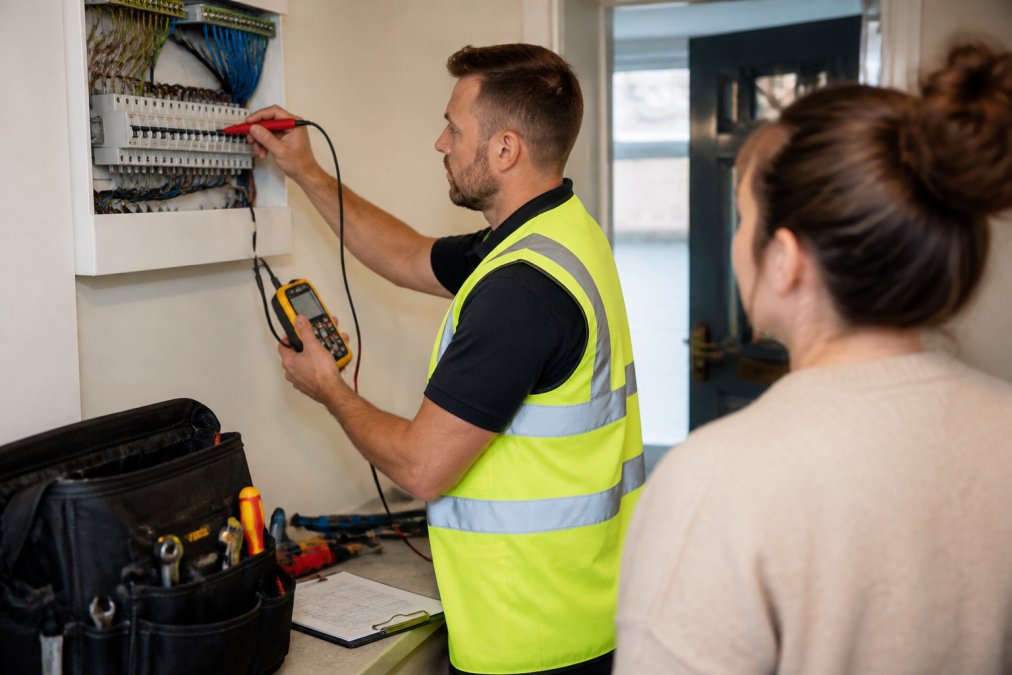
Provide the electrician with your full EICR report. They'll assess the work required and give you a detailed quote. Confirm the timeline, especially for Code 1 defects that need urgent attention.
Test My Electrics understands the regulatory requirements landlords face. Their integrity-first approach means you get honest advice on what's essential versus what can wait.
Step 4: Complete Works and Obtain Certification
Once remedial work is finished, the electrician must provide you with a Minor Works Certificate or a new EICR report confirming that defects have been resolved. This certification proves compliance to local authorities and your insurance provider.
Keep all certification documents with your property records. You'll need them if you're asked to demonstrate compliance or if you make an insurance claim.
For Code 1 and Code 2 defects, ensure the electrician confirms in writing that the work has been completed to current standards. This protects you legally and ensures your property is genuinely safe.
Common Mistakes to Avoid After EICR Failure
Learning from others' mistakes helps you navigate the remedial process smoothly.
Ignoring Code 1 Defects
Some property owners delay fixing Code 1 issues hoping they'll go away. They won't. A Code 1 defect is a genuine hazard. Delaying creates legal liability, insurance risk, and real danger to occupants. Fix Code 1 defects immediately.
Waiting Too Long to Book an Electrician
Many people receive their EICR failure report and wait weeks before contacting an electrician.
Choosing the Cheapest Quote
Not Keeping Documentation
Assuming Code 3 Defects Aren't Important
Frequently Asked Questions
What are the EICR classification codes C1, C2, and C3?
EICR classification codes indicate the severity of electrical faults. C1 (danger present) requires immediate attention to prevent risk of injury or death. C2 (potentially dangerous) must be corrected but poses less immediate risk. C3 (improvement recommended) identifies non-compliance with current standards but carries no immediate danger. Only C3 allows continued occupancy without remedial works; C1 and C2 require urgent correction before the property can be safely used.
Is it illegal to rent a property with an unsatisfactory EICR?
Yes. Under the Electrical Safety Standards in the Private Rented Sector Regulations 2020, landlords must ensure electrical installations are safe and obtain a satisfactory EICR every five years (or every three years for new tenancies). Renting a property with an unsatisfactory EICR is a breach of these regulations and can result in fines up to £30,000 or prosecution. Tenants also have the right to request a copy of the report.
How long do I have to fix an unsatisfactory EICR?
The timeframe depends on the classification code. C1 (danger present) must be rectified immediately and the property cannot be occupied until resolved. C2 (potentially dangerous) should be corrected as soon as possible, typically within 28 days. C3 (improvement recommended) has no strict deadline but should be addressed during planned maintenance. Landlords must demonstrate they've taken action; delays increase legal liability and insurance risk.
Who pays for EICR remedial works?
Landlords are responsible for paying for remedial works to address EICR failures. This is a legal obligation under the Electrical Safety Standards in the Private Rented Sector Regulations 2020. Costs vary depending on the nature and extent of faults identified. For an accurate estimate tailored to your property's specific issues, contact a qualified electrician who can assess the remedial works required and provide a detailed quote.