 How-to
What Does Domestic Electrical Testing Actually Involve?
Last Updated: October 25, 2026
Quick Summary
Domestic electrical testing, formally known as an Electrical Installation Condition Report or EICR, is a thorough inspection of your property's electrical system that identifies faults, safety hazards, and areas needing attention. A qualified electrician uses specialist equipment to visually inspect your installation and run tests on circuits, wiring, and fixed appliances, then provides a detailed report coding any faults by severity.
- Landlords must arrange domestic electrical testing at least every 5 years as a legal requirement
- Owner-occupied homes have no legal requirement but testing every 10 years is sensible precaution
- Faults are coded as Code 1 (urgent), Code 2 (within 28 days), or Code 3 (recommendations)
- The electrician checks protection against electric shock, thermal effects, overcurrent, and proper earthing
- After remedial work is completed, retesting confirms problems have been properly fixed
Table of Contents
- Why Domestic Electrical Testing Matters for Your Home
- What Happens During an EICR Inspection
- How Often Should a House Have an EICR?
- Understanding EICR Cost and What It Covers
- Electrical Safety Check for a House: What You Need to Know
- What Happens if Testing Finds an Issue
- How to Arrange Your Electrical Inspection
- Frequently Asked Questions
Why Domestic Electrical Testing Matters for Your Home
Electrical safety isn't something homeowners think about until something goes wrong. A faulty wire, an overloaded circuit, or deteriorating insulation can cause fires, electric shocks, or worse. This is where domestic electrical testing becomes essential. At Test My Electrics, we help homeowners, landlords, and businesses understand what's happening inside their walls before a problem becomes a crisis.
Domestic electrical testing, formally known as an Electrical Installation Condition Report, or EICR, is a thorough inspection of your property's electrical system. It identifies faults, safety hazards, and areas that need attention. For landlords, it's a legal requirement. For homeowners, it's peace of mind backed by professional certification.
The process sounds technical, but the purpose is straightforward: keep people safe and ensure your electrical system meets current standards. Let's walk through what actually happens during an inspection, what the findings mean, and how to arrange one for your property.
What Happens During an EICR Inspection
An EICR inspection is systematic and thorough. A qualified electrician spends time examining your electrical installation, running tests, and documenting everything they find. The inspection typically takes time, depending on the size and age of the property.
The electrician arrives with specialist equipment: a multimeter, an insulation tester, a loop impedance tester, and other diagnostic tools. They'll need access to your consumer unit (fuse box), all sockets, switches, and any fixed electrical appliances. If you have tenants, you'll need to arrange access in advance.
Visual Inspection and System Assessment
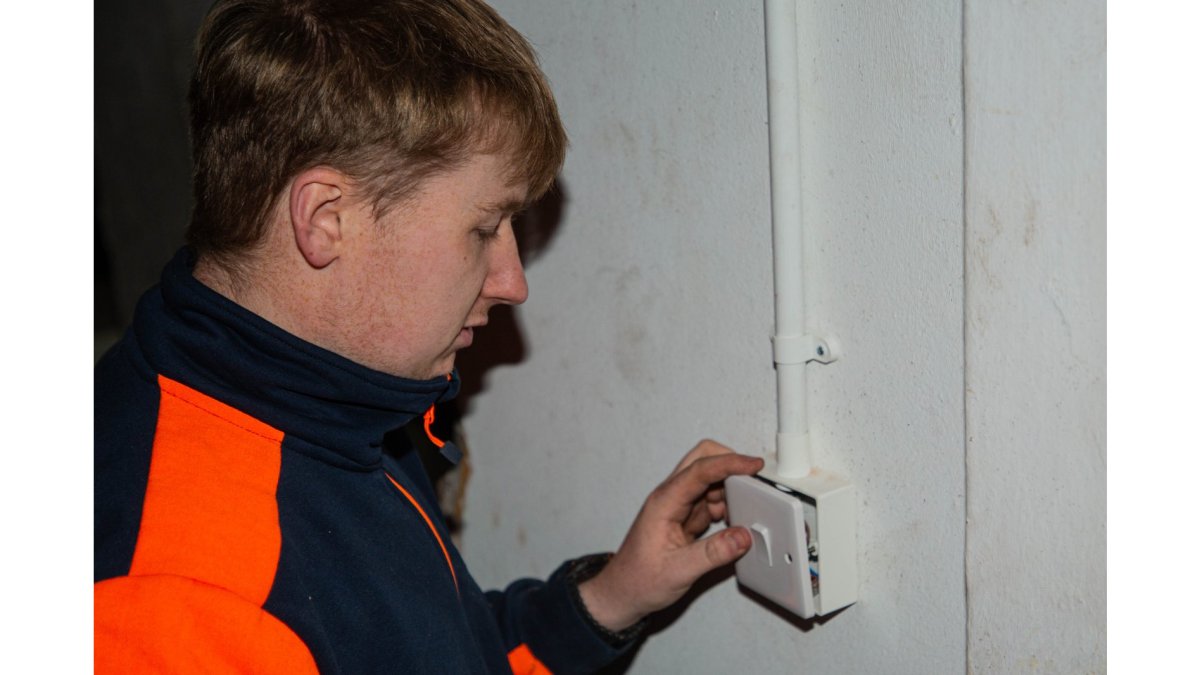
The first phase is visual. The electrician walks through every room, checking sockets, switches, light fittings, and the consumer unit itself. They're looking for obvious problems:
- Damaged cables or loose connections
- Scorch marks or burn damage around sockets
- Signs of water damage or corrosion
- Incorrect wiring or outdated installations
- Missing earth wires or inadequate earthing
They'll also check that your consumer unit is properly labelled, that circuit breakers are functioning, and that the installation matches current safety standards. This visual assessment often reveals issues that need further investigation.
For older properties, this stage frequently uncovers outdated wiring systems. Properties built before the 1970s may still have fabric-insulated cables or knob-and-tube wiring. While not necessarily dangerous in the moment, these systems don't meet modern standards and may need upgrading.
Testing and Measurement
After the visual check, the electrician moves to active testing. This is where the specialist equipment comes in. They use insulation testers to measure the resistance of your wiring, low resistance indicates a fault. They test earth continuity to ensure all metal parts are properly earthed. They check loop impedance, which measures the effectiveness of the earth fault loop.
They'll test individual circuits, measure voltage and current, and verify that circuit breakers trip correctly under fault conditions. For properties with older installations, this testing is critical because it reveals whether the system can handle modern electrical loads safely.
The electrician also tests any fixed electrical appliances, cookers, immersion heaters, storage heaters, to ensure they're safe and properly earthed. If you have a rewire or major upgrades planned, testing helps establish a baseline for what needs to change.
The Report and Findings
Once testing is complete, you receive an EICR report. This document details every circuit tested, the results of each test, and any faults discovered. Faults are coded by severity:
- Code 1: Danger present. The fault poses an immediate risk and needs urgent remedial action.
- Code 2: Potentially dangerous. The fault should be corrected as soon as possible, usually within 28 days.
- Code 3: Recommendations for improvement. These aren't failures but suggest upgrades to meet current best practice.
The report also includes observations, notes on things like missing labels or outdated components that don't fail the test but warrant attention.
Institution of Engineering and Technology guidance on electrical safety standards
When you receive your report, you'll understand exactly what state your electrical system is in. You can prioritise remedial work based on risk level. For landlords, this report is your proof of compliance, you'll need to retain it for your records and provide a copy to your tenants.
How Often Should a House Have an EICR?
Testing frequency depends on your situation. For owner-occupied homes, there's no legal requirement, but many homeowners arrange testing every 10 years as a sensible precaution, especially if the property is older or they're planning renovations.
For landlords, the rules are different. Under current regulations, you must arrange a domestic electrical testing inspection at least every 5 years. If you're managing multiple properties, that means staggering inspections across your portfolio to stay compliant.
If an inspection finds Code 1 or Code 2 faults, you'll need to retest after remedial work is completed. This ensures the problems have been properly fixed and your system is safe again.
For commercial properties, testing is required periodically, more frequent because commercial installations typically handle higher electrical loads and carry greater liability.
Properties undergoing major renovation or rewiring should have testing before and after work. This establishes the baseline condition and confirms that new work meets standards.
Testing requirements vary depending on whether you own your home outright or let it to tenants.
| Property Type | Testing Frequency | Notes |
|---|---|---|
| Owner-occupied home | Every 10 years | No legal requirement, but sensible precaution |
| Rental property | Every 5 years | Legal requirement for landlords |
| After Code 1 or Code 2 faults | After remedial work | Retest to confirm problems are fixed |
| Commercial property | More frequent | Higher electrical loads and greater liability |
| Major renovation or rewire | Before and after work | Establishes baseline and confirms compliance |
Understanding EICR Cost and What It Covers
The cost of domestic electrical testing varies based on property size, age, and complexity.
When you contact an electrician for a quote, they'll ask about your property size, how old it is, and whether you've had previous testing done. This helps them estimate how long the inspection will take.
Citizens Advice guidance on electrical safety responsibilities for landlords and homeowners
The price you're quoted covers the electrician's time on site, the testing itself, and the formal EICR report.
If the inspection finds faults requiring remedial work, that's a separate cost. The electrician can provide a quote for repairs once they've identified what needs fixing. For landlords with multiple properties, it's worth asking about options if you manage several rentals.
For detailed pricing information specific to your property, how to read EICR report results and get a quote for EICR testing.
Electrical Safety Check for a House: What You Need to Know
A domestic electrical testing inspection is fundamentally a safety check. It verifies that your electrical system is safe to use and that it meets the standards set out in the Building Regulations and the current edition of the Wiring Regulations.
The key things being checked are:
- Protection against electric shock: Proper earthing, RCD (residual current device) protection, and insulation integrity
- Protection against thermal effects: Circuits are correctly rated and protected against overload and short circuits
- Protection against overcurrent: Circuit breakers and fuses are properly sized and functioning
- Earthing and bonding: All metal parts are properly earthed to prevent dangerous voltages
An electrician performing a domestic electrical testing inspection is looking for anything that could cause electrocution, fire, or damage to appliances. They're also checking that the installation can safely handle the electrical demands you're placing on it.
For older properties, this often reveals that the system is undersized for modern use. A house built in the 1960s might have a 60-amp service designed for lighting and basic appliances. Today's homes use electric cookers, heating systems, multiple televisions, and countless chargers. The existing installation may not safely handle that load.
This is where a professional assessment becomes valuable. The electrician can tell you whether the system needs upgrading or whether it's adequate with some targeted improvements.
What Happens if Testing Finds an Issue
If your EICR inspection uncovers faults, don't panic. Code 1 issues need urgent attention, but Code 2 and Code 3 issues can usually be planned and scheduled.
For landlords, discovering faults is actually a good outcome, it means you've caught problems before they become dangerous or cause damage. The responsibility then is to arrange remedial work promptly.
The electrician who performed your testing can usually provide a quote for repairs. What happens if EICR fails: your action plan will walk you through the next steps in detail.
Common remedial works include:
- Replacing damaged cables or sockets
- Installing RCD protection where it's missing
- Upgrading the consumer unit or circuits
- Rewiring outdated installations
- Installing additional earthing or bonding
For properties requiring extensive work, a full rewire might be the most practical solution. This removes all the uncertainty about your system's safety and brings everything up to current standards in one project.
How to Arrange Your Electrical Inspection
Getting an EICR inspection is straightforward. Contact a qualified electrician, ideally one who's registered with a recognised body and holds current qualifications. Ask for a quote based on your property size and age.
When you book, provide details about your property: approximate number of rooms, when it was built, and whether you've had testing done before. This helps the electrician plan their time and arrive prepared.
National House Building Council guidance on electrical installations and safety standards
For landlords managing multiple properties, consider booking several inspections at once. Many electricians can work more efficiently if they know they'll be testing several of your properties over a period of weeks.
How to book an EICR inspection: a step-by-step guide provides detailed guidance on arranging your inspection and what to expect on the day.
Once your inspection is complete and any remedial work is finished, you'll have a current EICR report that demonstrates your electrical system is safe and compliant. For landlords, this is your legal proof of compliance. For homeowners, it's the reassurance that comes from knowing your home is electrically safe.
Frequently Asked Questions
How long does domestic electrical testing actually take?
The duration depends on your property's size and age. Older properties or larger homes may require longer. Your electrician will give you a time estimate before starting. It's worth scheduling the appointment when you can be present to answer questions about the installation history and any recent work undertaken.
What's the difference between an EICR and a general electrical safety check for a house?
An EICR (Electrical Installation Condition Report) is a formal, regulated inspection that tests the safety of your entire electrical installation and produces a legal certificate. A general electrical safety check is often less formal and may not include all the detailed testing required by standards. For landlords and rental properties, an EICR is legally required. For homeowners, an EICR provides the most thorough assessment and produces documentation that's recognised by insurers and future buyers.
What happens if domestic electrical testing finds a problem?
Your electrician will detail any issues in the EICR report, categorising them by urgency. Minor issues might be noted for future attention, whilst safety hazards require prompt remedial work. You'll receive clear recommendations on what needs fixing and the priority level. Many issues can be resolved through targeted repairs rather than a full rewire. A professional electrician will explain what's essential for safety and what's optional, so you can make informed decisions about your property.
Can I stay in my home while electrical testing is being done?
Yes, you can remain in your property during most of the inspection. The electrician will need access to your consumer unit, electrical sockets, and other installations, but the testing doesn't require you to vacate. It's helpful to be present so you can discuss any concerns, answer questions about the system's history, and understand the findings as they emerge. For rental properties with tenants, co-ordination with occupants is important to ensure access to all areas being tested.