 blog
Average Cost for Electrical Rewiring: 2026 Guide
Table of Contents
- What Determines the Cost of Electrical Rewiring
- Rewiring Cost by House Size
- Signs a House Needs Rewiring
- How Long Does It Take to Rewire a House
- EICR Cost and Its Role in Rewiring
- Additional Costs You May Encounter
- Can You Live in Your Home During Rewiring
- Getting an Accurate Quote for Electrical Rewiring
- Frequently Asked Questions
Last Updated: October 20, 2026
What Determines the Cost of Electrical Rewiring
The average cost for electrical rewiring varies significantly depending on several key factors specific to your property and situation. Understanding what influences the price helps you budget accurately and avoid surprises when you receive quotes from electricians.
The primary drivers of rewiring costs include the size of your property, the age and condition of your existing electrical system, the complexity of your layout, and local labour rates. A small flat might cost considerably less than a four-bedroom house, but the condition of your current wiring can push costs up or down dramatically. If your property has outdated fuse boxes, corroded cables, or asbestos-containing materials, expect additional expenses for safe removal and disposal.
The scope of work also matters. A partial rewire targeting specific circuits costs far less than a complete overhaul. Access to walls and ceilings affects labour time significantly, properties with suspended ceilings or solid construction require more invasive work. Understanding these variables upfront helps landlords and homeowners make informed decisions about their electrical safety investments.
Additional considerations include whether your rewiring project coincides with other renovations, the availability of qualified electricians in your area, and whether your property requires Listed Building consent or Conservation Area approval. These factors can extend timelines and add regulatory costs.
Rewiring Cost by House Size
The relationship between property size and rewiring expenses is fairly straightforward: larger properties require more cable, more labour hours, and more complex planning.
A small flat or studio might require rewiring costs that are substantially lower than a detached family home. Properties under 50 square metres typically involve fewer circuits, shorter cable runs, and simpler distribution boards. Terraced houses and semi-detached properties fall in the mid-range, whilst large detached homes and period properties with multiple storeys push costs higher due to increased cable distances and more complex layouts.
Here's how size typically influences the picture:
| Property Type | Typical Characteristics | Cost Factors |
|---|---|---|
| Studio/small flat | Single circuit distribution, short cable runs | Lower labour, minimal materials |
| 1-2 bedroom flat | Standard circuits, basic layout | Moderate labour and materials |
| Semi-detached house | Multiple circuits, moderate cable runs | Medium-high labour and materials |
| Detached house (3-4 bed) | Complex layout, longer cable runs, multiple storeys | Higher labour, significant materials |
| Large period property | Extended circuits, multiple distribution points, access challenges | Highest labour and materials, specialist work |
Period properties deserve special mention. Victorian and Edwardian homes often have thick walls, plaster that's difficult to chase, and layouts that don't follow modern electrical standards. These factors increase the time and expense of any rewiring project substantially. Listed buildings add another layer of complexity if your property has protected status.
Signs a House Needs Rewiring
Recognising when your property needs rewiring is crucial for safety and compliance. Several warning signs indicate that an electrical system has reached the end of its safe life.

The most obvious indicator is an ageing fuse box rather than a modern circuit breaker panel. Fuse boxes were standard decades ago but are now considered outdated. Frequent blown fuses, flickering lights, outlets that don't work reliably, or a burning smell near your electrical panel all signal serious problems. If your property is over 30 years old and has never been rewired, the risk of hidden deterioration is substantial.
Discoloured or cracked outlets, warm switch plates, or visible damage to cables are immediate red flags. Outdated two-pin sockets instead of modern three-pin earthed sockets indicate your wiring predates current safety standards. Properties with aluminium wiring (sometimes found in homes built between the 1960s and 1970s) pose particular fire risks and typically require complete rewiring.
If you're a landlord, an Electrical Installation Condition Report (EICR) will definitively tell you whether rewiring is necessary. This professional inspection identifies deterioration, non-compliances, and safety hazards that might not be visible to the untrained eye. Many landlords discover the need for rewiring only after an EICR highlights dangerous conditions.
How Long Does It Take to Rewire a House
The timeline for rewiring depends on property size, complexity, and whether work can proceed continuously without obstruction.
How long does it take to rewire a house? A small flat might be completed in 3-5 days of actual work, whilst a three-bedroom semi-detached house typically requires 1-2 weeks. Large detached homes or period properties can take 3-4 weeks or longer, especially if complications arise during the work.
Several factors extend timelines. If walls need to be chased (cut into) to run new cables, the work takes longer than properties where cables can run through accessible spaces. Replastering after cable installation adds days to the project. If your property is occupied during rewiring, coordinating access with tenants or residents slows progress. Discovering unexpected problems, such as asbestos materials or structural complications, can add weeks.
Most electricians work on a project basis rather than hourly, so the total duration is usually agreed upfront. However, unexpected discoveries during the work can change this estimate. Weather, material availability, and the electrician's other commitments also influence scheduling.
EICR Cost and Its Role in Rewiring
An Electrical Installation Condition Report is often the first step that reveals whether rewiring is necessary. This inspection identifies the current state of your electrical system and highlights any faults or safety concerns.
The EICR process involves a qualified electrician systematically testing every circuit, outlet, and component in your property's electrical system. They check for deterioration, non-compliances, earthing problems, and fire hazards. The report classifies findings into categories: satisfactory, minor defects requiring attention, or serious defects requiring urgent remedial work.
For landlords, an EICR is not optional, it's a legal requirement under the Electrical Safety Standards in the Private Rented Sector (England) Regulations 2020, and similar requirements exist in Scotland and Wales. The report must be carried out every five years for existing installations, or before a new tenant moves in (Electrical safety standards in the private and social rented sectors: guidance). If the report identifies serious defects, you're legally obliged to arrange remedial work promptly.
Many homeowners and landlords discover the need for rewiring through an EICR. If the report identifies widespread deterioration, old wiring materials, or safety hazards that cannot be remedied through minor repairs, a complete rewire becomes the recommended solution. In these cases, the EICR cost is a worthwhile investment because it prevents more expensive emergency repairs or potential safety incidents.
Additional Costs You May Encounter
Beyond the core rewiring expense, several hidden costs can emerge during or after the project.
If asbestos-containing materials are discovered in your property, a genuine risk in homes built before the 1980s, removal must be handled by licensed specialists. This adds significant cost and time to the project. Similarly, if your property has old lead paint or other hazardous materials, professional remediation becomes necessary.
Replastering and redecoration after cables are installed can be substantial. Electricians typically leave walls open after running new cables, so you'll need to hire plasterers and decorators to restore the property to its original condition. This cost is often overlooked in initial budgets.
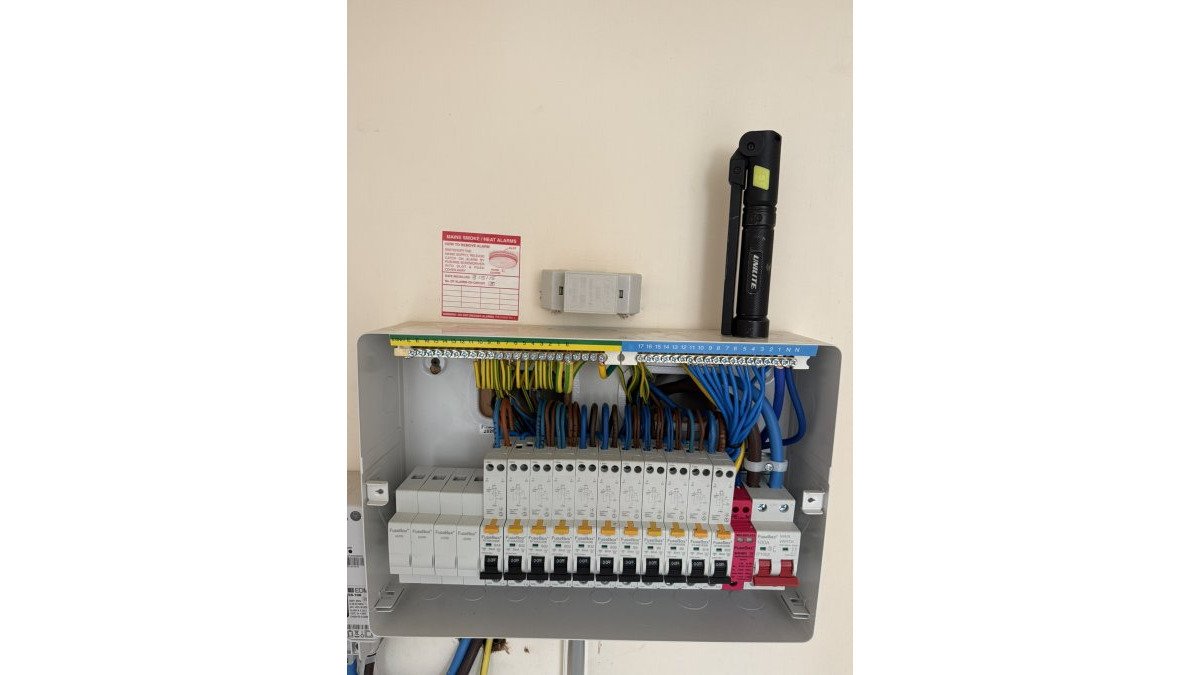
If your rewiring coincides with upgrading your consumer unit (fuse box replacement), that's an additional expense. Modern consumer units with RCD protection are safer but cost extra to install. Some properties require additional earthing work or bonding upgrades to meet current standards, which adds to the bill.
Permits and inspections vary by location. Building Control approval may be required, and the cost of final inspection and certification should be factored in. If your property is Listed or in a Conservation Area, you may need planning permission before work begins, which extends timelines and costs.
Can You Live in Your Home During Rewiring
Whether you can remain in your property during rewiring depends on the scope of work and your tolerance for disruption.
For partial rewiring of specific circuits, many homeowners stay in the property. However, your electrician will need to isolate circuits during work, meaning temporary loss of power to certain areas. Modern rewiring typically involves minimal disruption, electricians work during standard hours and restore power at the end of each working day.
Full rewiring is more disruptive. Walls may be opened, dust and debris are inevitable, and extended periods without power to certain areas become necessary. Many people choose to stay with family or friends during major rewiring work, particularly if the property is their main residence. If you have young children, elderly relatives, or medical equipment dependent on electricity, staying elsewhere during extensive work is often the safer choice.
For rental properties with tenants, you're legally required to provide reasonable notice and minimise disruption. Some landlords negotiate with tenants to schedule rewiring during periods of lower occupancy or arrange temporary accommodation. This coordination adds complexity but is essential for maintaining positive tenant relationships and meeting legal obligations.
Test My Electrics minimises disruption during rewiring by planning work efficiently and restoring power to essential areas each evening. Our team works with occupants to schedule access and coordinate around your daily routines.
Getting an Accurate Quote for Electrical Rewiring
Obtaining reliable quotes requires providing electricians with detailed information about your property and what you need done.
Provide each electrician with the same information: property age, size, number of rooms, current electrical system type (fuse box or circuit breaker), and any specific problems you've identified. If you have an EICR report, share it, this gives electricians a clear picture of what work is necessary. Photos of your current consumer unit and any visible wiring issues help too.
Request itemised quotes that break down labour, materials, and any additional costs separately. This transparency helps you compare quotes fairly and understand where money is being spent. Be wary of quotes that are significantly lower than others, they may indicate corners being cut or incomplete scoping of the work.
Ask about timelines, payment terms, and what happens if complications arise during the project. Reputable electricians will provide a written scope of work, timeline estimate, and clear communication about any changes. They should also provide evidence of their qualifications, look for SELECT or NAPIT registration, and confirmation that they're 18th Edition qualified.
When you contact Test My Electrics for a quote, we'll visit your property to assess the work properly. Our integrity-first approach means we'll be honest about what's necessary and what's optional, so you're never pressured into unnecessary spending. We provide clear, detailed quotes with no hidden surprises.
Getting an accurate quote for electrical rewiring is the first step toward ensuring your property is safe and compliant. At Test My Electrics, we specialise in honest electrical assessments and professional rewiring work across Ayrshire and the West of Scotland. Our fully insured team provides transparent quotes, minimal disruption during work, and comprehensive certification upon completion. Book an electrician today to arrange your property assessment and receive a detailed quote tailored to your specific needs.
Frequently Asked Questions
What is the average cost to rewire a house?
The cost of electrical rewiring varies significantly based on property size, wiring condition, and local labour rates. A professional inspection through an Electrical Installation Condition Report (EICR) will identify exactly what needs replacing and provide an accurate quote. Contact Test My Electrics for a detailed assessment tailored to your property's specific requirements rather than relying on generic figures.
How long does it take to rewire a house?
Rewiring timescales depend on the property size and complexity of the existing installation. Smaller properties may take several days, whilst larger homes or those with significant structural complications can take weeks. Your electrician will provide a realistic timeline during the initial survey. Test My Electrics minimises disruption by planning the work carefully and keeping you informed throughout.
How can I tell if my house needs rewiring?
Signs include frequent blown fuses, flickering lights, warm outlets, visible cable damage, burning smells, or an installation over 30 years old. An EICR will confirm whether rewiring is necessary. If you notice any of these warning signs, arrange an inspection promptly to prevent safety hazards and ensure your property meets current electrical standards.
Do I need an EICR before rewiring my house?
An EICR is not strictly required before rewiring, but it's highly recommended. It identifies all electrical faults and determines the extent of work needed, helping you understand exactly what rewiring will cost. For landlords, an EICR is legally required under the Electrical Safety Standards in the Private Rented Sector (Amendment) Regulations 2020. Test My Electrics provides comprehensive EICRs that guide your rewiring decisions.